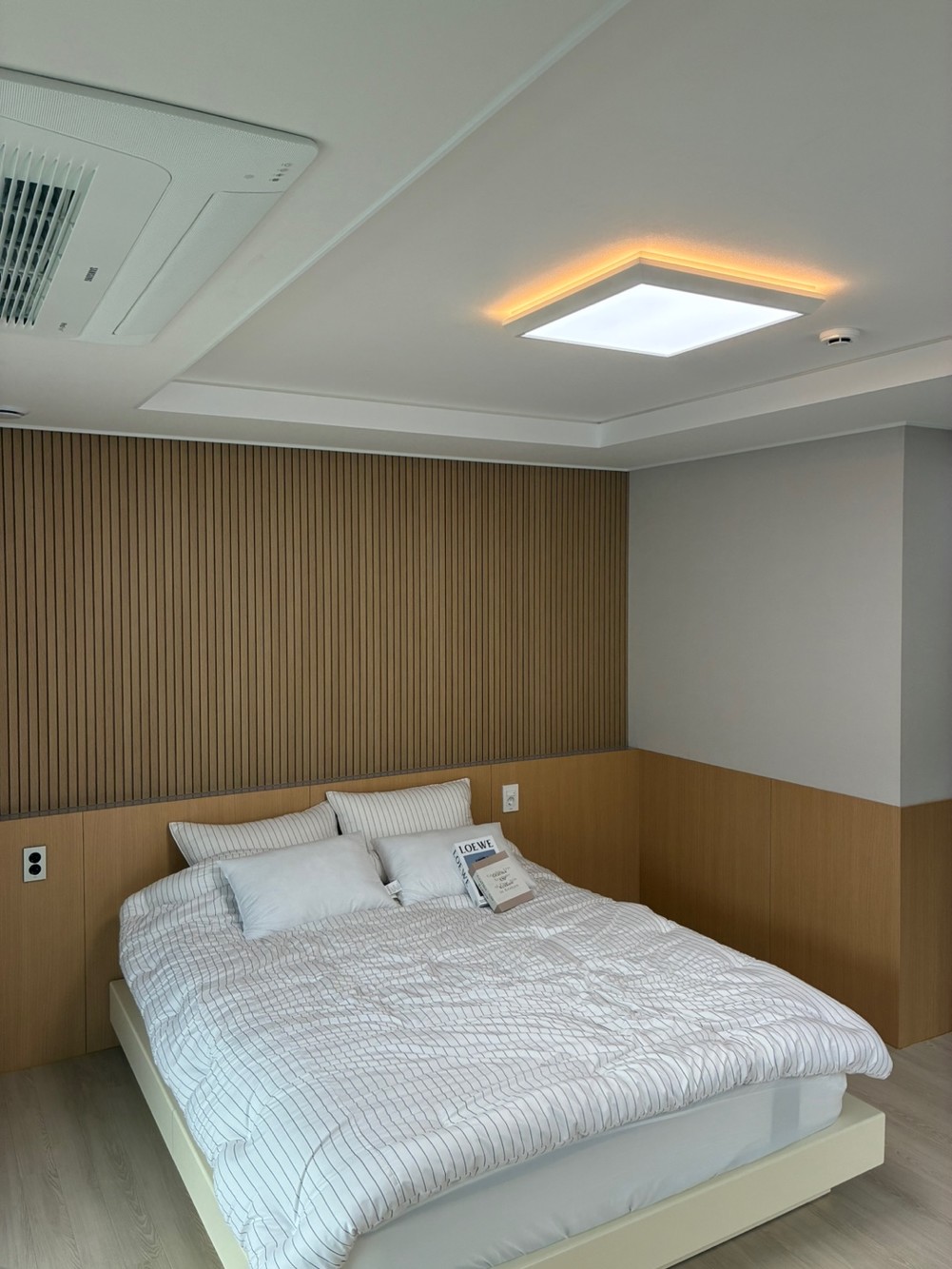
Any supplier can say their material is "trusted by demanding clients." A delivery ledger is harder to fake. It has dates, regions, product codes, and quantities. Over time it draws a map of who actually needs the product, not who the marketing team wishes needed it.
Our film has such a ledger. YEILDECO has supplied this film to more than 500 spaces and installed more than 50,000 m² of it. The deliveries behind those figures, roughly 80 line items from late 2023 through 2026, are listed publicly in the project records of D-Guard, the official domestic sales channel for the film, and the pattern in them is worth reading if you specify interior finishes anywhere with fire-safety rules.
The pattern: schools dominate
The single biggest surprise for people outside Korea is how much of the ledger is schools. Not one flagship project. Dozens of them, spread across Gyeonggi, North and South Gyeongsang, and South Jeolla provinces. Elementary, middle and high schools, year after year.
The largest single delivery in the whole record is a school: a high school in Gyeonggi Province took 5,000 m of film in one order in December 2023.
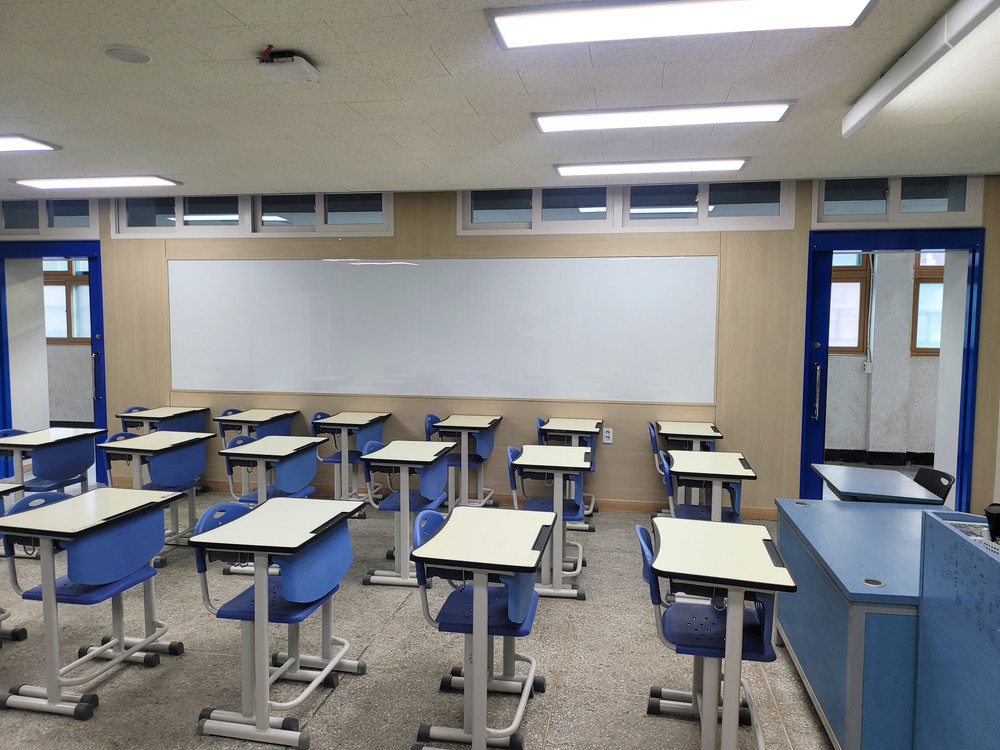
A school corridor finished with quasi-non-combustible interior film. Schools are the most frequent buyer type in the delivery record.
Why schools? Korean building law restricts what may cover interior walls and ceilings in buildings where evacuation is hard or occupants are vulnerable, and children are the textbook case. When a school refreshes its corridors or classrooms, the finish that goes on the wall has to hold a recognized reaction-to-fire grade. A certified quasi-non-combustible film lets the school change how a space looks without opening a compliance question. That's the entire value proposition, and school facilities managers evidently agree, repeatedly.
Care facilities and hospitals
The second cluster is spaces for people who can't evacuate quickly: a public postpartum care center in North Gyeongsang Province (1,800 m, December 2025), pediatric clinics, elder-care spaces. Same logic, sharper edge: in Korean regulation these fall under stricter finish requirements precisely because their occupants are the slowest to get out. We've written about why that matters. In a building fire, smoke does most of the killing, and escape time is what interior finishes either grant or steal.
One order, 500 apartment units
The line item buyers ask us about most: in May 2025, a single apartment-complex order in Gyeonggi Province covered 500 units, the source of the "up to 500 units" claim on our product pages. One project, one product family, five hundred homes. For a thin architectural film, that's a logistics statement as much as a sales one: consistent lot quality, repeat color codes, and delivery schedules that a construction timeline can rely on.
And the glamorous tail
The rest of the ledger is more varied: an administrative and cultural center (1,800 m, April 2026), a hotel restaurant in Daegu, corporate lobbies, and a luxury brand space in Seoul's Cheongdam district that took 700 m of a single woodgrain pattern. We keep client names out of it; the point isn't who, it's that the same certified film runs from school corridors to high-end retail without changing what it is.
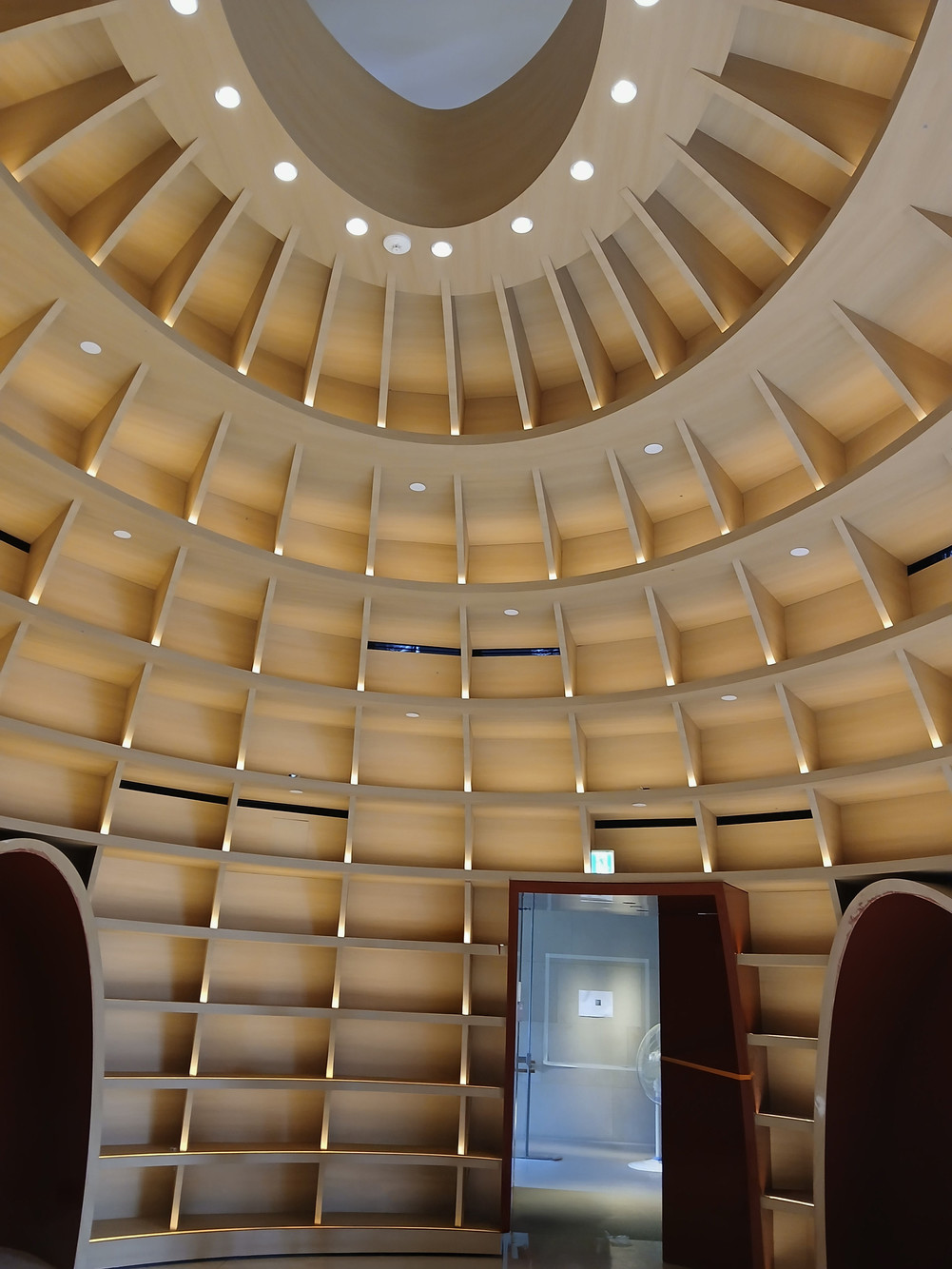
The same certified film, at the other end of the market: a luxury retail space in Seoul.
How to read a ledger like this (for buyers outside Korea)
Three things this record does and doesn't prove. Worth being precise.
It proves regulatory fit in Korea. Schools, care centers and public buildings don't buy decorative film casually; their purchases go through procurement that checks certification. A ledger full of them says the KFI quasi-non-combustible certificate does its job in practice, order after order.
It proves field repeatability. Eighty-odd deliveries over three years, in quantities from a few hundred meters to 5,000 m, means installers keep coming back. Films that fail on walls don't get reordered by school districts.
It does not prove a rating in your market. Korea's quasi-non-combustible grade is a Korean classification under KS F ISO 5660-1. It is not an ASTM E84 Class A, not an EN 13501 Euroclass, and we won't blur that line. We've laid out how those systems differ elsewhere. If your project needs a local rating, that's a testing conversation to open with us early, not a checkbox to assume.
And the standing caveat, as always: quasi-non-combustible is not non-combustible and not "fireproof." It's a defined heat-release limit under a standardized test. The material can still burn; the certificate bounds its contribution.
The takeaway
If you're evaluating a fire-rated, PVC-free architectural film from a supplier you've never met, ask for the delivery record before the brochure. Ours is public, it's three years deep, and it leans heavily toward the buildings where fire rules bite hardest: schools, care facilities, and one very large apartment order.
Start with the product overview, or write to us for spec sheets and the certification set.
YEILDECO
Fire-rated, PVC-free architectural film
Semi-non-combustible (KFI-certified), PVC-free interior film from Korea. We welcome distributor and export inquiries.